

Thanksgiving is tomorrow, and in honor of the occasion, I’m channeling my inner “Very Hungry Caterpillar.“
"On Thanksgiving, he ate through one piece of chocolate cake, one ice cream cone, one pickle, one slice of Swiss cheese, one slice of salami, one lollipop, one piece of cherry pie, one sausage, one cupcake, and one slice of watermelon."
By the end of the night, I'll likely be curled up in a food coma, just like the caterpillar. This Thanksgiving, let's also recognize the abundance our landscapes offer to wildlife and learn how to manage their feeding habits.
Principle five of the “Florida-Friendly Landscaping Program” encourages us to attract wildlife, providing food for beneficial species like birds and pollinators. However, not all wildlife visitors are welcome, and some feeding habits can be problematic. Let’s explore the signs of feeding and how to manage them.
Insects and animals frequently feed in gardens, but the damage they cause varies. While some visitors cause minimal harm, others can damage plants or spread disease. Recognizing the signs of feeding is essential for managing your landscape effectively.
Many homeowners notice small holes appearing in their trees. These could be caused by birds, insects, or even humans. While some wood-boring insects, such as the Pine Bark Beetle or Palm Weevil, can spread disease or kill trees, not all wood-boring insects are harmful. Identifying the pest is key, as some may not warrant treatment. Arborists and extension agents typically look for signs like sawdust, frass (insect excrement), and emergence holes to identify the pest and determine the severity of the damage. Healthy trees are less likely to attract wood-boring insects, so maintaining healthy plants through proper care is an effective strategy to reduce pest damage.
Another common concern is the small, round holes scattered around tree trunks, often mistaken for wood-boring damage. These holes are typically made by the yellow-bellied sap sucker, a woodpecker that feeds on tree sap. While sap suckers usually don’t kill trees, repeated feeding can weaken them over time.
In addition to larger animals, insects like aphids, whiteflies, and scale insects are frequent feeders in landscapes. These insects suck sap from plants, leaving behind honeydew, a sticky substance that attracts ants and promotes the growth of sooty mold. Sooty mold doesn’t harm plants directly, but it reduces photosynthesis, weakening the plant. Identifying the insect infestation causing the honeydew is key to effective management.
Citrus trees are often affected by leaf miners, tiny larvae that create winding tunnels beneath the surface of leaves. While leaf miner damage is usually cosmetic, severe infestations can lead to early leaf drop and weaken the tree over time. Other insects, like caterpillars and grasshoppers, can also chew through leaves, creating irregular holes. While minor feeding may not cause immediate harm, large infestations can stunt growth and reduce fruit yields. Regularly inspecting plants for signs of insect feeding can help prevent widespread damage.
The best way to manage feeding damage is through proper landscape management. Maintaining healthy plants through proper watering, pruning, and fertilization helps them stay strong and resilient, making them less susceptible to pests. A healthy landscape is better equipped to withstand the pressures of wildlife and insects.
Attracting beneficial insects, such as ladybugs and lacewings, is another effective strategy. These natural predators control harmful pests like aphids and whiteflies, reducing the need for chemical treatments. To encourage beneficial insects, plant nectar-rich flowers and avoid broad-spectrum pesticides, which can harm helpful species.
Physical barriers, such as fences or mesh netting, can protect plants from larger animals. Fencing can keep deer and rabbits out, while mesh netting can safeguard vegetable beds and citrus trees from pests like leaf miners and sap suckers. By focusing on landscape health, attracting beneficial insects, and using physical barriers, homeowners can minimize pest damage and maintain a thriving, pesticide-free garden.
This Thanksgiving, as we celebrate abundance, let’s remember that our landscapes are also a buffet for wildlife. Most of the creatures feeding in our gardens are beneficial, but with a little care and attention, we can ensure they thrive without causing harm. For more information on managing feeding damage and attracting wildlife to your landscape, contact Nassau County’s Master Gardener Volunteers at NassauMGV@ifas.ufl.edu. Let’s all celebrate a healthy, thriving landscape this holiday season.
Dr. Taylor Clem is the County Extension director and horticulture extension agent for UF/IFAS Extension Nassau County. Contact him at taylorclem87@ufl.edu or 904-530-6353.
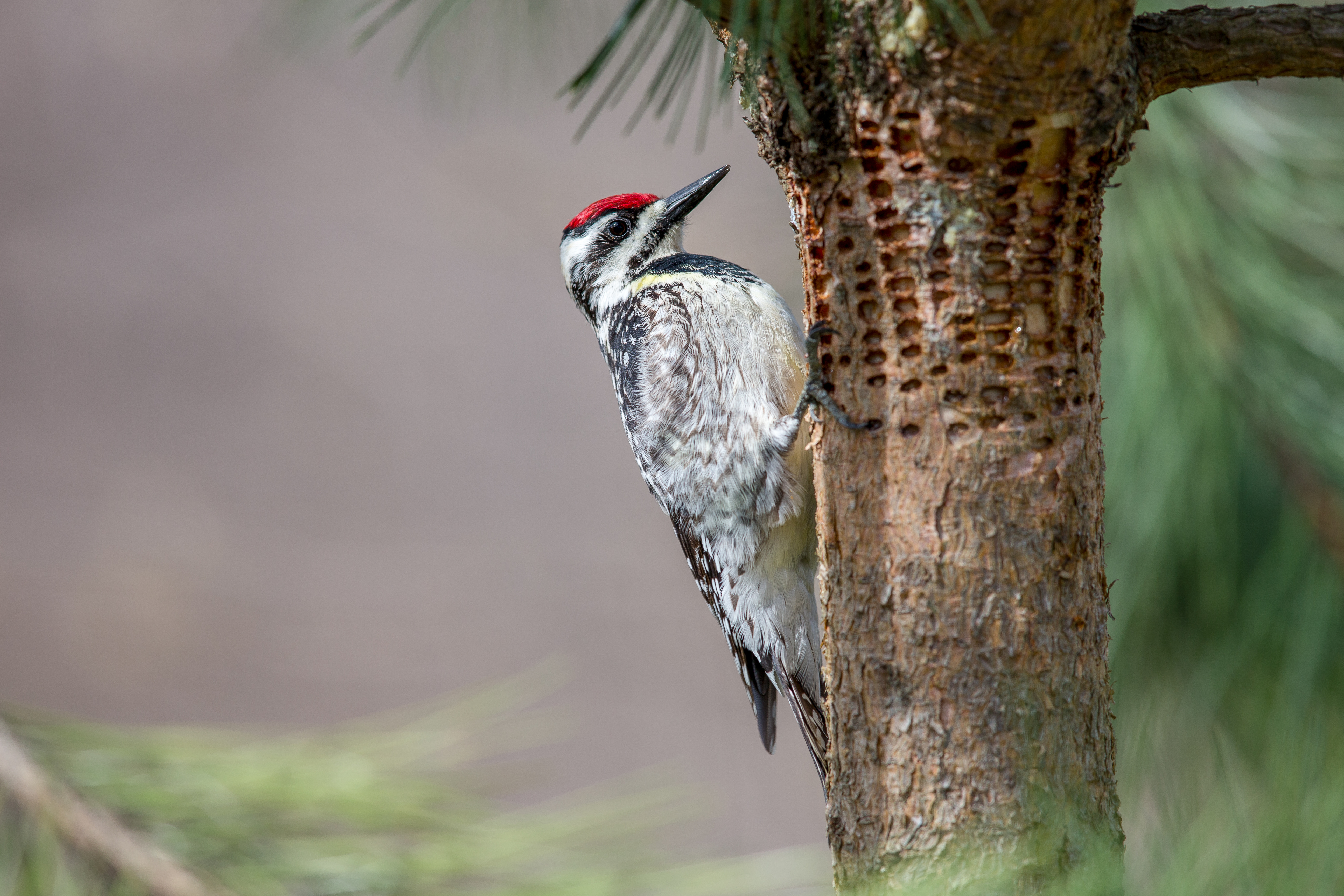
Yellow-Bellied Sap Suckers, a common bird throughout North Florida, is a regular visitor to landscapes. Their damage creates a characteristic circular pattern around tree trunks. Not only do they eat sap from trees, but they also eat the insects that get caught in the sap. Many homeowners have reached out to the county extension office, concerned about their damage. Seldom do they cause detrimental damage to the trees. We can commonly see their damage on Loquats, Maples, Oaks, and Pines. Submitted photo